
The most common question about James wood has been “How did the trees at James Wood fare in the 2026 drought?”.
Here is the answer. Some did not make it, but more than expected survived. Some went into a false autumn. A strategy where trees go dormant in mid September, much earlier than normal. We will see next spring if this strategy has worked for these trees and we will see if they survived.
There have been some notable surprises.
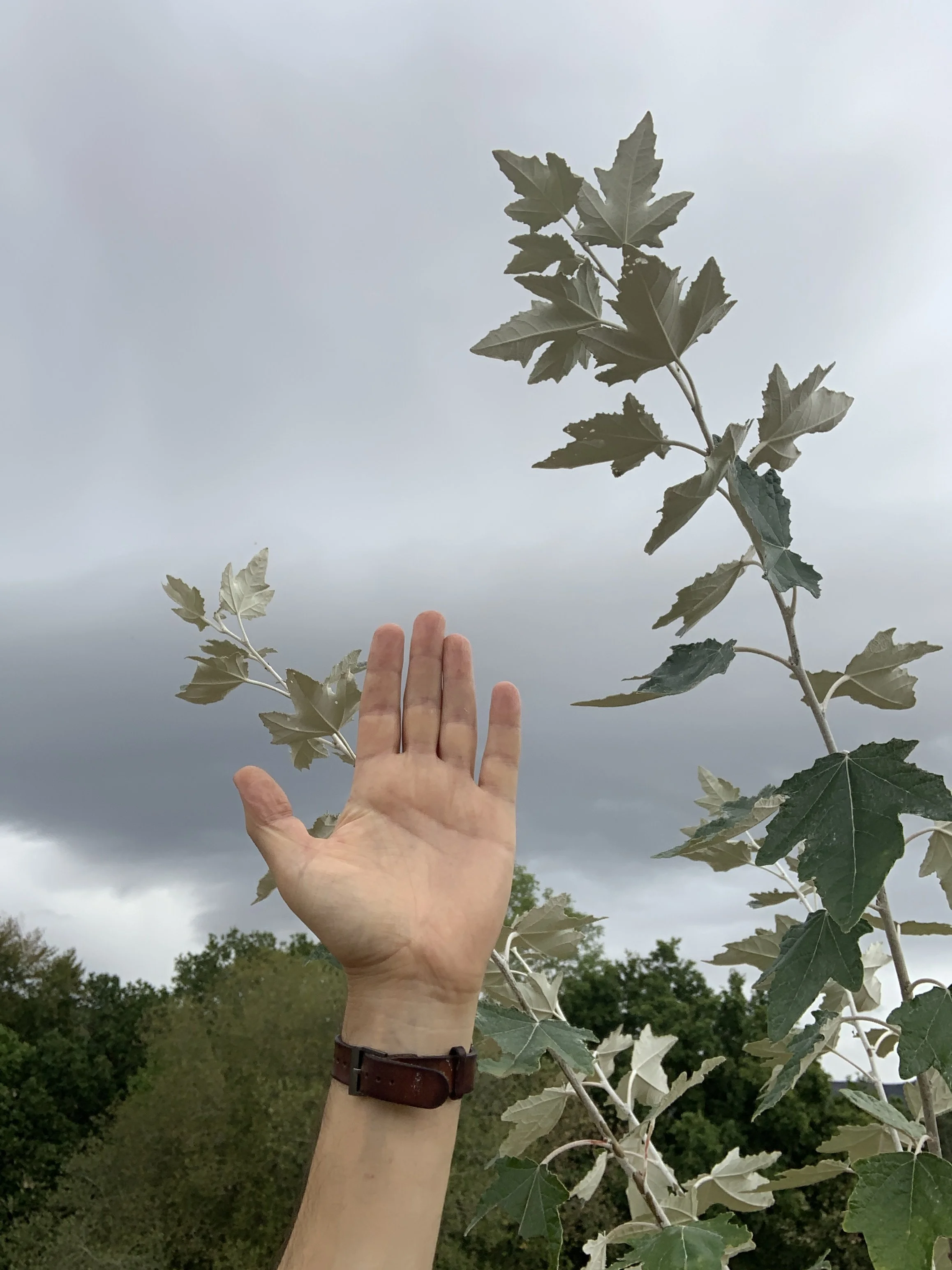
White poplar: In the wet spring, a white poplar tree at James Wood became the first of our trees to grow taller than a person. Now we have several white poplar trees higher than a person with up-reaching arms! Good progress for a drought.
Black Walnut: A good surprise was in the walnut grove. We planted some germinating walnut seed in Jan 2026. Against all odds, they continued to germinate and survived the drought!

Oak: Self-sown native oaks (Quercus Robur) stayed small this summer, but they clung on, low in the grass. Taller nursery plants of southern Cork oak (Quercus Suber) often did not. Same weather, same location. Unexpected result.

Some trees have gone into a false autumn. Drying at the top but retaining a few green leaves at the base where they are more shaded. In times of drought, trees enter a kind of survival mode, dropping their leaves early to preserve themselves for the rest of the year and beyond. While the trees aren’t dying, they’re not thriving either. We need to wait and see what springtime 20207 brings before giving up hope.
The drought did not stop the bracken or brambles.
Bracken will smother young trees. Shading them out ruthlessly, starving them of light. Bracken can use young trees as support, climbing into low branches and pulling over even a sizable tree in autumn.
The brambles do, however, keep some shade and retain some dew and moisture. They also provide some protection against creatures that may nibble young shoots.
However, large brambles, like bracken, can pull trees sideways. If too large, they stop us accessing the trees for formative pruning in winter. Not good for those of us trying to grow straight trees.
To combat both bracken and brambles, we have used a Robo Flail now that some rain has come. We have used a Robo Flail to keep bracken and brambles back. This machinery is especially good on steep slopes that were previously inaccessible to us.
The “driver" stands uphill in case the flail topples or slides. It is much safer than a tractor.
Thanks to Norbert, Chris, Henry and Dazzer who are working on this for Woodland Heritage.
Authored by: Alex Mowat, Woodland Heritage